
This last few months, I’ve done a couple of pieces for the Sunday Telegraph Magazine that I want to share with you. It’s nice to be back in the weekend supplements, where it all started. My first published piece appeared in the Weekend Guardian, back in the early 90s, a comic thing about being short.
Anyway, they’re about cults, which are right up my street. (Maybe literally, I live in LA.) My first exposure was in the ‘Mormon polygamist space’ up in Utah and Arizona. I went to report on the whole Warren Jeffs situation which led to a book about polygamy, living on what you could call a ‘compound’, and many fascinating experiences with followers and prophets. (Secrets & Wives, the Hidden World of Mormon Polygamy is out now!)
With cults, I think the first fascination is always that otherwise sensible, educated people willingly submit to these often mad beliefs and sociopathic leaders. Like frogs in a pot these doctors and lawyers succumb to age-old techniques of manipulation and coercion, the many spokes of thought reform, until they find the yoke is around their necks. Why and how does this happen? What are the mechanisms of brainwashing? What can be done?
We live in cultish times. Just look at the “Trending Documentaries on Netflix”. Or the American President. The long decline of religion has left a vacuum of purpose and belonging, then technology fragmented us further, and cults have flourished in this habitat, preying on a disillusioned public with promises of special knowledge, chosen membership, and a new dawn. When the mainstream feels broken, the fringe swoops in. As Antonio Gramsci said, “now is the time for monsters”.
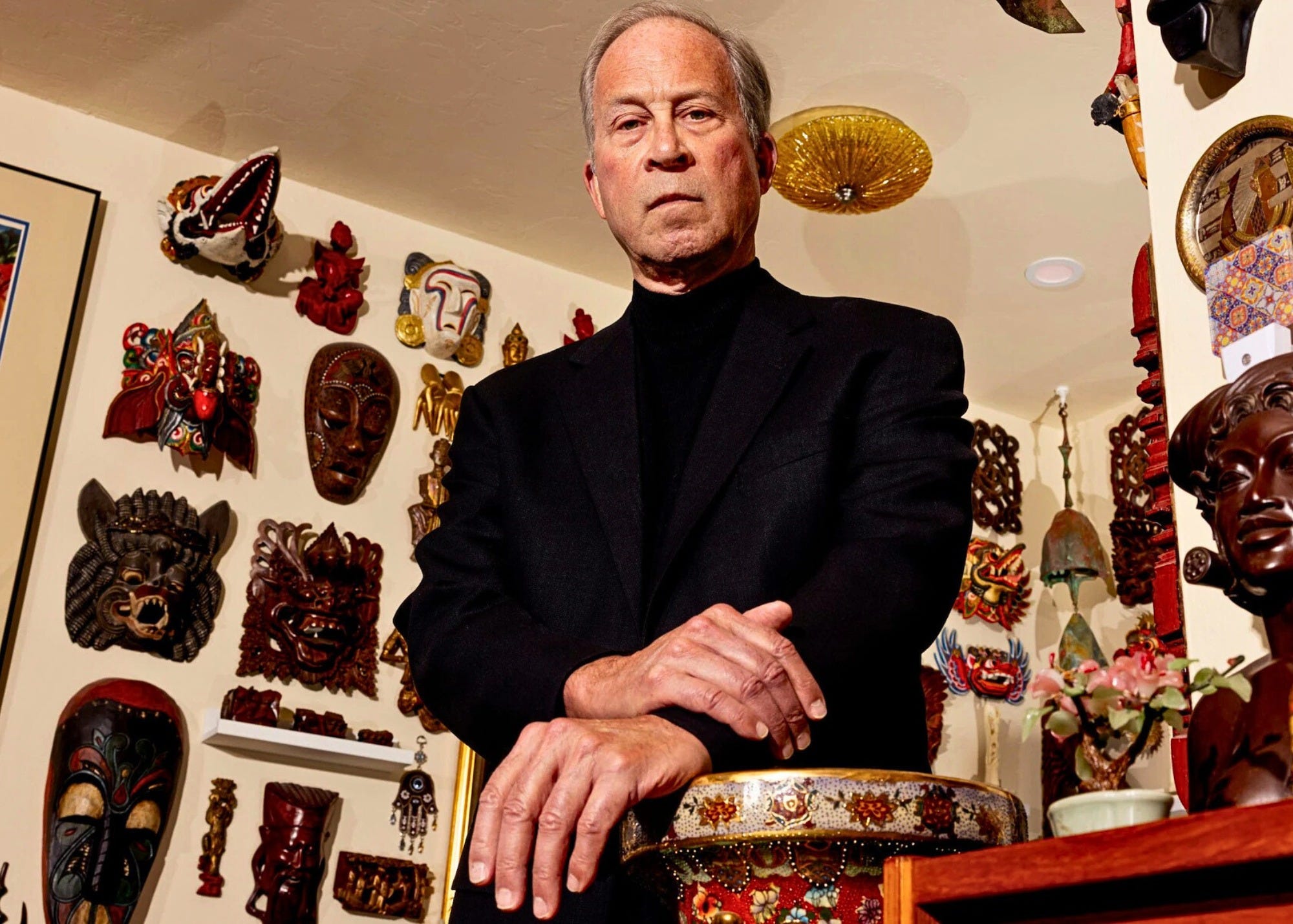
Danny Rensch, The Chess Prodigy
Here’s a gift-link for the Danny Rensch story.
The first of these two pieces is about Danny Rensch, who was raised in a cult in Arizona that revolved around a trance medium named Trina Kamp. Trina would channel a 15th century Englishman named Duran—who was likely invented from whole cloth—and according to his edicts, families were broken up, wives transferred and so on. Cults were culting as they do. Danny grew up this way. But he had a preternatural ability in chess, which the cult saw as an opportunity to bring glory to their group. So the leader employed an old Russian grandmaster, a boorish drunk, to mentor Danny, and make him a champion. Alienated from his own father, and his mother in the end, Danny saw the Russian as something of a substitute parent figure. Until, he finally broke away, that is, and became a huge corporate success at Chess.com.
It’s an extraordinary story, all told in his memoir Dark Squares, and certainly fit for a movie. Educated meets Queen’s Gambit, the marketing says. And I found Danny in a delicate, conflicted place when we met, still unable, after all these years, to fully come to terms with his cult upbringing. As I write in the piece: “When you’re born into indoctrination, to call the whole thing a sham is to tear down your own scaffolding.”
Rick Ross, The Cult Deprogrammer
Here’s a gift-link for the Rick Ross story.
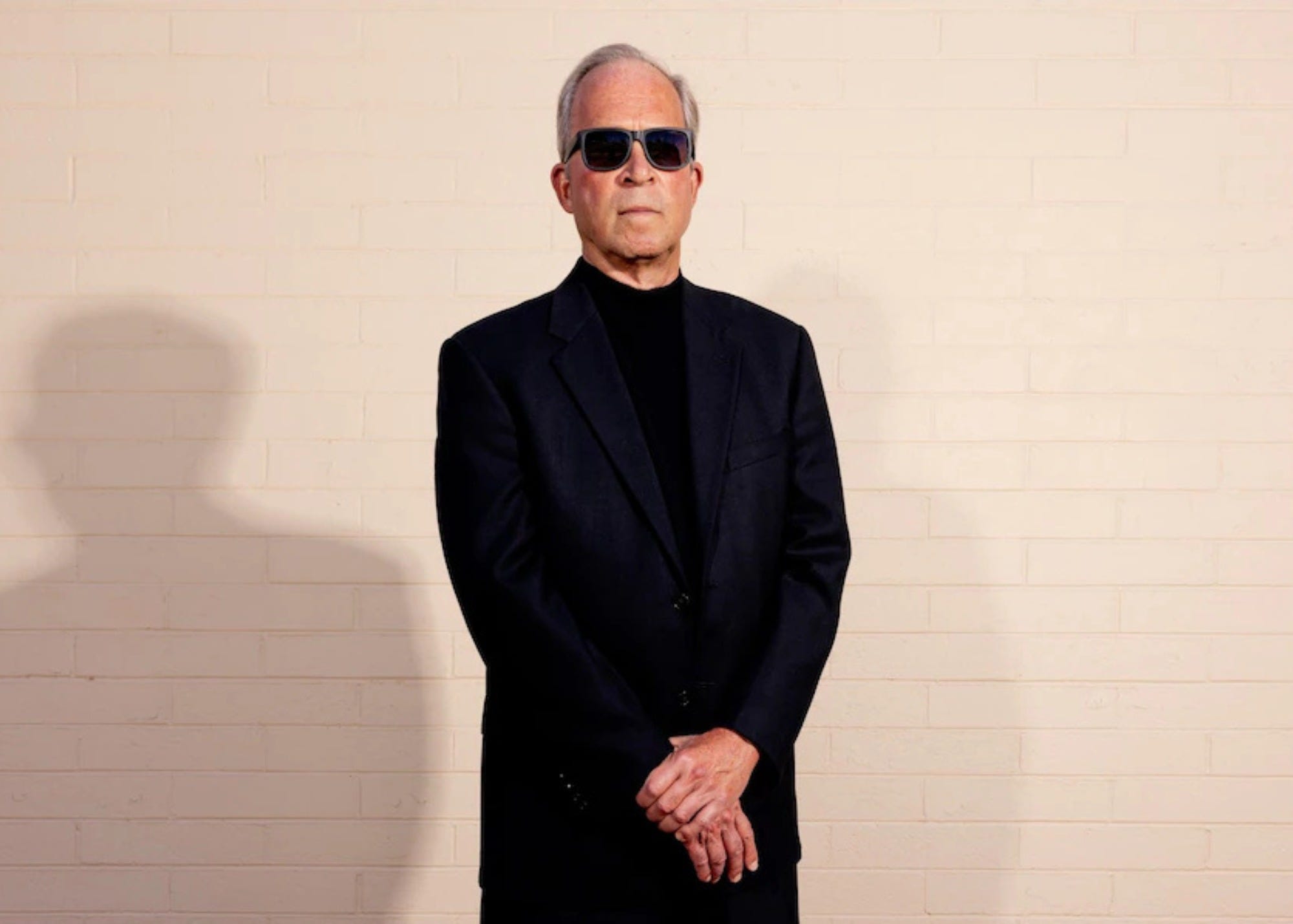
My second cult story is about Rick Ross. Not the rapper, the famous cult deprogrammer. It came out yesterday, February 15th. I think of Rick as an American original, the foremost cult deprogrammer in the cultiest country on earth. He has been at the sharp end of the problem for 40 years or so, and as you’ll see from the interview he has a lot to tell us about the world we currently live in.
I went to visit him at his home in Tucson, and we spoke for hours. He’s a generous storyteller. And I came away with more material than I could fit into the space allotted. So I’m going to share some of that material here as a kind of appendix.
At the risk of sounding like one of those earnest advisories at the start of a TV shows, if you know of anyone who might be in a cult, and you’re looking for ways to extricate them, there’s some great advice in this piece. Extrication is Rick’s specialty.
Here’s the supplementary stuff:
1. The MAGA ‘Cult’
Rick doesn’t think MAGA is strictly a cult. Cult-like, sure, but according to the precise definitions of a destructive cult, it doesn’t quite qualify:
“The Republicans in Congress are going to overrule his vetoes on two legislative bills. They forced him to tell Pam Bondi to release the Epstein files. Marjorie Taylor Greene turned on him. They’re not brainwashed. People sometimes think that the word ‘cult’ is a magic bullet, it explains away the problem. But I’ve been in situations where I’ve had to say, ‘sorry, your son is not in a cult. He may have a mental illness, he might be bipolar or schizophrenic, but you don’t want to deal with the reality of this long term problem he has.’ It’s the same with America. There’s a large group of the electorate that genuinely don’t believe in integration, they don’t want white people to lose the majority, they don’t want women to control their own bodies and all the rest. But here’s the thing—these people have always been with us.”
2. America, The Most Fertile Landscape For Cults In The World
Rick has travelled the world deprogramming cult victims and lecturing at universities. And there’s just no competition. America is the perfect cult terroir. Leave aside the credulity of a nation convinced of its own divine purpose that longs to believe, that’s another issue. The legal framework is what matters here.
“In Asia, they’re cracking down. Japan is cracking down on cults. Korea too. China has cracked down. And sure, they get criticized for suppressing freedom of religion, but I’ve been there, I’ve met ex-cult members, and what they’re doing is working. It’s being replicated in Vietnam, Australia, New Zealand. And Europe and the UK have done more to regulate and deal with cults too.
“England denies charitable status, and you can’t take money out of the country. And cults can’t use the courts in the UK like they can in the States. If Nxivm spends $5 million suing me in the States, and they lose, all they lose is the $5 million. They don’t have to pay my costs. But in the UK, a frivolous lawsuit means they would have to pay my legal fees and my costs too.
“So the US is the best place for a cult to set up shop. You might be worldwide online but set your brick and mortar operation in the US and you’ll get religious tax exempt status and you’ll get all kinds of immunities and protections you would not get in other countries.
“In fact, a lot of cult leaders have fled China with millions of dollars and landed in the United States, and said, ‘help me, I’m being persecuted by the Chinese government.’ And we give them asylum. Then they buy a mansion and get tax exempt status as a religious nonprofit.”
Note: Falun Gong vehemently denies that it is a cult, and that its leader Li Hongzhi is a cult leader. The connection between Falun Gong and the dance troupe Shen Yun is described in this New York Times article.
3. Physician Heal Thyself
The most stunning aspect of Rick’s story is the colossal irony of his life, which I touch upon in the piece at the end. He too was in a ‘cult’ of sorts. An abusive and controlling relationship is cult-like in many ways. The lovebombing, the gaslighting, the manipulation and abuse. That a world expert in these things couldn’t tell that they were happening to him tells a powerful story about how difficult it is to get perspective on your own life.
So how did Rick finally realize that his boyfriend-turned-husband John (name changed) was abusive and controlling? It was a series of clues that seem so obvious in retrospect, but it took them all, an accumulation. Here are a few:
i) Rob Porter’s Ex-Wife on Anderson Cooper
“The thing about John, everyone loved him. My mom thought he was great, ‘oh he’s so charming.’ Now, do you remember Rob Porter? He worked for Orrin Hatch, the senator from Utah. He was going to be Trump’s chief of staff, he was highly respected. But then his two ex-wives went public. First wife: ‘he beat me up’. Second wife: ‘he tried to beat me up, but I ran.’ He was horrible. And I remember the second wife was saying ‘oh everybody loved Rob, he was so well spoken, he dressed beautifully.’ And Anderson Cooper said, ‘but didn’t you tell your own mother?’ and she said, ‘my mom loved Rob.’ I thought ‘oh my God, that’s John.’
“That’s why I always say, how important it is for ex-cult members to talk about what happened. I know there’s some shame, but it’s not about you, it’s about the perpetrator. It’s the cult’s fault. It’s the abuser’s fault, never the victim’s.”
ii) The Belittling
“It happened in so many ways. Like one time, I had major neck surgery, and I had just come home from hospital, with a neck brace and a fistful of Vicodin to take. I really couldn’t manage on my own, but John went to work anyway. And when I took the dog out to pee, I locked myself out. It was awful, I was out there for hours before the locksmith came. When John came home I told him about it, and he screamed at me. ‘How stupid are you? How could you do something so stupid?’ And that’s what I thought. I really was stupid.
“Another time, I was on a walk with my neighbor, after my book came out, and she said, ‘what does John think?’ I said, ‘oh he hasn’t read it. He never watches my shows or reads the articles I’m in.’ And she was shocked. But this is what happens in cults. People are belittled. They’re made to feel like nothing.”
“One question I ask people who are in a cult is ‘did you feel that you could ever be good enough? Wasn’t there always something that needed to be fixed? And didn’t that make that person or group indispensable?’
“Once they recognize that pattern I ask them—do you think that they’re doing that because they like you? Is that for your benefit? Or are they trying to engender dependency and make you feel incompetent?”
4. A Reading List
Rick cited a number of core works about cults, mind control, and ways that it can be countered.
Cult Formation, a paper by Robert J Lifton
It cites the 3 core criteria for a destructive cult. 1) a totalitarian leader that is beyond accountability, 2) demonstrable use of thought reform techniques, and 3) a harmful effect.
Thought Reform and the Psychology of Totalism, by Robert J Lifton
Outlines the 8 criteria for thought reform, including things like the use of public confession to create vulnerability and dependency on the group, the demand for an impossible standard of perfection and so on.
Influence - The Psychology of Persuasion, by Robert Cialdini
Cialdini describes the 6 elements of influence, which are neither good nor bad. But important to establish before you can identify what cults do, which is exert undue influence.
Cults In Our Midst, by Margaret Singer
Margaret Singer was a friend of Rick’s. A psychologist and pioneer in the fields of brainwashing and coercive persuasion, she had a storied career, that included interviewing Charles Manson, and wrote the seminal Cults In Our Midst in 1996.
Snapping - America’s Epidemic of Sudden Personality Change, by Flo Conway and Jim Siegelman
Written in 1978, this book describes a theory of conversion, either to or from a cult or religion, or even a political ideology.
Coercive Persuasion - by Edgar Schein
A critical 1961 study by MIT professor Schein of the brainwashing techniques employed on American prisoners, by the Chinese Communist party
Is it possible that the term cult could be applied to Christian evangelicalism? I'm wondering if we are too quick to apply the Other when we think of cults, thereby missing the examples that are right under our nose. Thank you for the article.
Amazing piece on Ross. Hard to believe there'll be no successor. The Gramsci quote is eerie. Thank you!